
Nutrition · Marathon
What to eat during a marathon: carbohydrates and fueling strategy.
Gel, sports drink or rapadura? The best choice supplies enough carbohydrate, works within race logistics and has been trained by your body.
Translated from the original Portuguese article
The best fueling strategy is not the most sophisticated. It is the one a runner can repeat, tolerate and execute at race pace.
Running 42.195 kilometres requires more than fitness. Over several hours, glycogen stores decline and carbohydrate availability can limit sustained effort. Fueling therefore starts before race day and must be rehearsed.
Why take carbohydrate during a marathon?
The body uses several fuel sources, including glycogen stored in muscle and liver. During prolonged exercise these stores decline. Carbohydrate intake helps maintain glucose availability and can support performance, although it does not eliminate fatigue.
A common reference is 30–60 g per hour during prolonged exercise. In events lasting over roughly 2.5 hours, well-practised athletes may benefit from intakes approaching 90 g/h, often using multiple transportable carbohydrates. These are ranges, not mandatory targets.
The best fueling strategy is not the most sophisticated. It is the one a runner can repeat, tolerate and execute at race pace.
When and how much?
Do not wait for hunger or a major energy drop. Starting early and dividing intake into regular, smaller servings is usually easier.
For an initial target of 40 g/h, two servings of about 20 g may work. Timing should reflect water stations, product concentration, pace and tolerance.
Gel, sports drink or food?
Gels are concentrated and portable; many should be taken with water. Sports drinks provide fluid and carbohydrate together. Foods can be affordable and satisfying, but must be practical to carry, chew and swallow while running.
A 2022 systematic review found no consistent performance difference between food and supplement sources in the available studies, but the evidence remains limited and does not make every source interchangeable.
Can rapadura work?
Rapadura is a concentrated Brazilian cane-sugar food. The Brazilian Food Composition Table lists about 90 g of available carbohydrate per 100 g, or 31.5 g in a 35 g serving.
It is a possible option, not a universal solution. Texture, packaging, water intake and gastrointestinal tolerance matter, and it should not automatically be treated as equivalent to products formulated with specific glucose–fructose combinations.
- Standardise portions before training.
- Practise carrying, opening, chewing and drinking with it.
- Monitor discomfort, sweetness and pace.
- Never debut the strategy on race day.
Train the gut as well as the legs
Long runs are the testing ground. Begin with a tolerable range, use smaller servings and record dose, timing, fluid and symptoms. Research suggests gut training may improve tolerance, although responses vary.
Common mistakes
Duration, intensity, weather, hydration and experience all matter.
- Waiting until severe fatigue to eat.
- Trying something new on race day.
- Copying another runner’s dose.
- Ignoring water with concentrated products.
- Forcing a high target despite nausea.
A practical strategy
Set an initial hourly range, verify carbohydrate per serving and rehearse race logistics in long runs. Change one variable at a time. On race day, use the plan that has already worked.
The key is not gel versus drink versus rapadura. It is a familiar, measurable and tolerable strategy.
References
- Quaresma et al. — Brazilian Sports Nutrition Association Clinical Practice Guidelines (2025)
- Reynolds et al. — A Food First Approach to Carbohydrate Supplementation in Endurance Exercise (2022)
- Burke et al. — Carbohydrates for Training and Competition (2011)
- Thomas, Erdman & Burke — Nutrition and Athletic Performance (2016)
- Martinez et al. — Gut-Training and Feeding-Challenge in Athletes (2023)
- TBCA — Rapadura, Brasil
This article is informational and does not replace individual advice from a sports dietitian or physician.
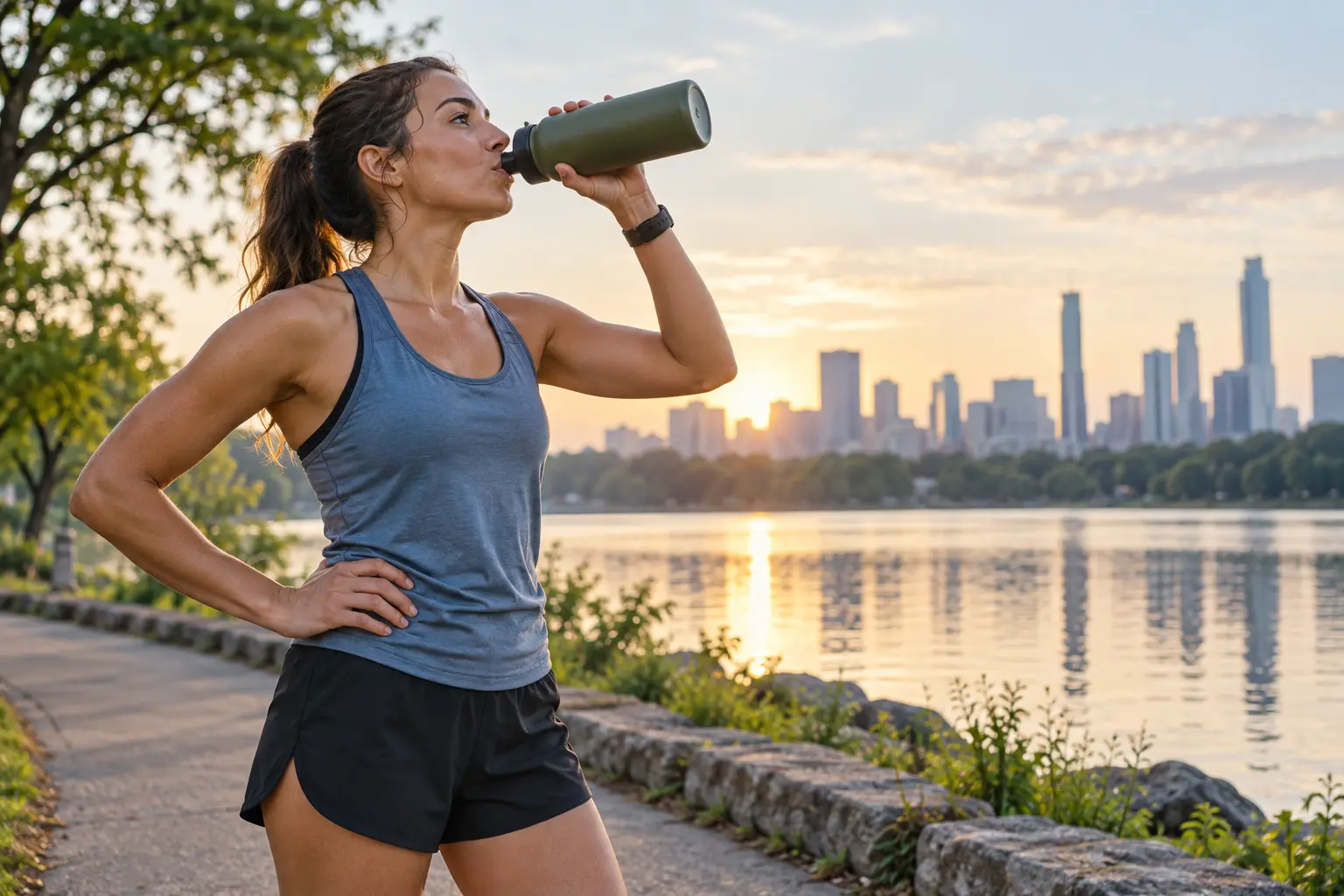
Training · Hydration
Hydration for running: how much to drink before, during and after
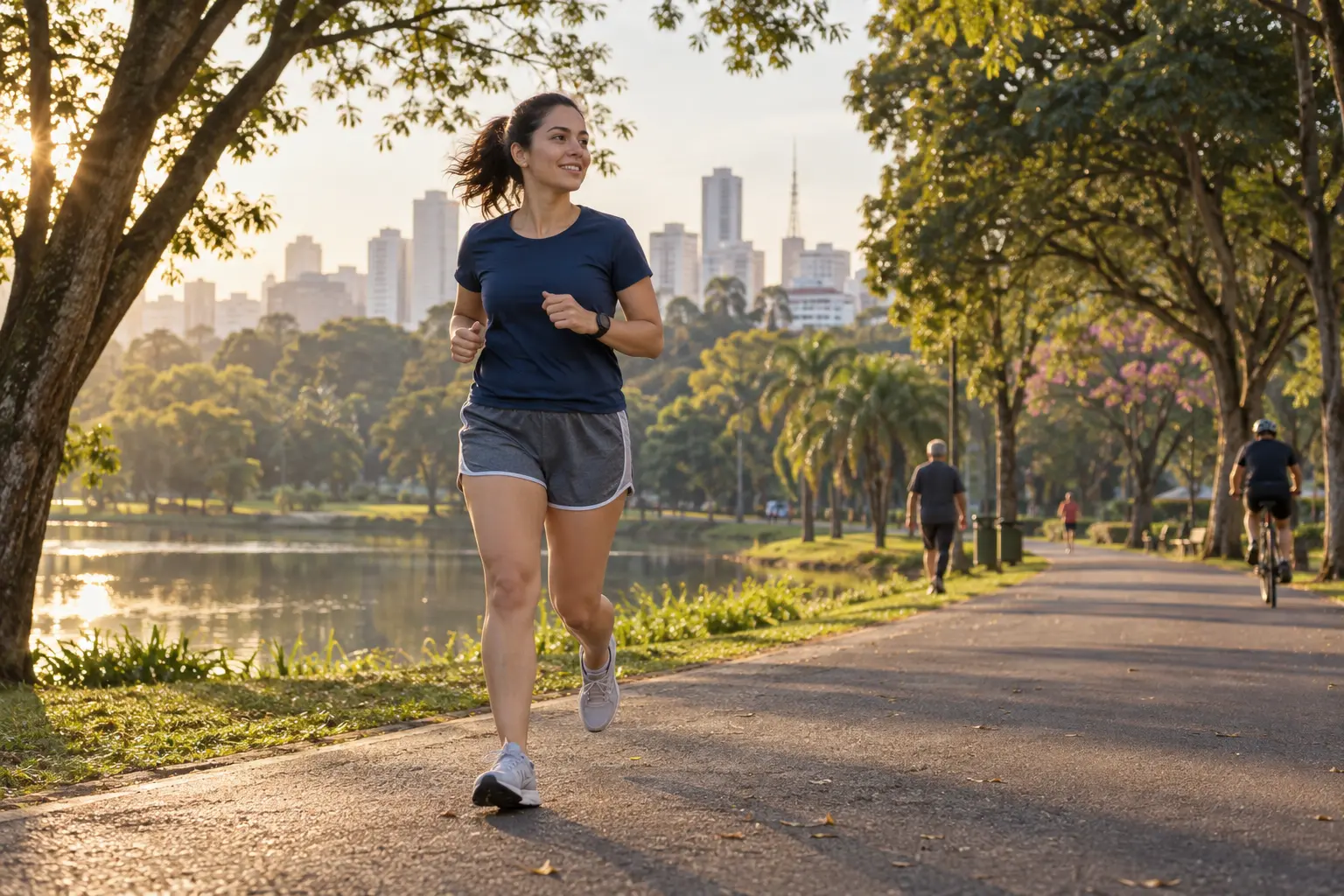
Beginners · First 5K
How to start running from zero: a complete guide to your first 5K
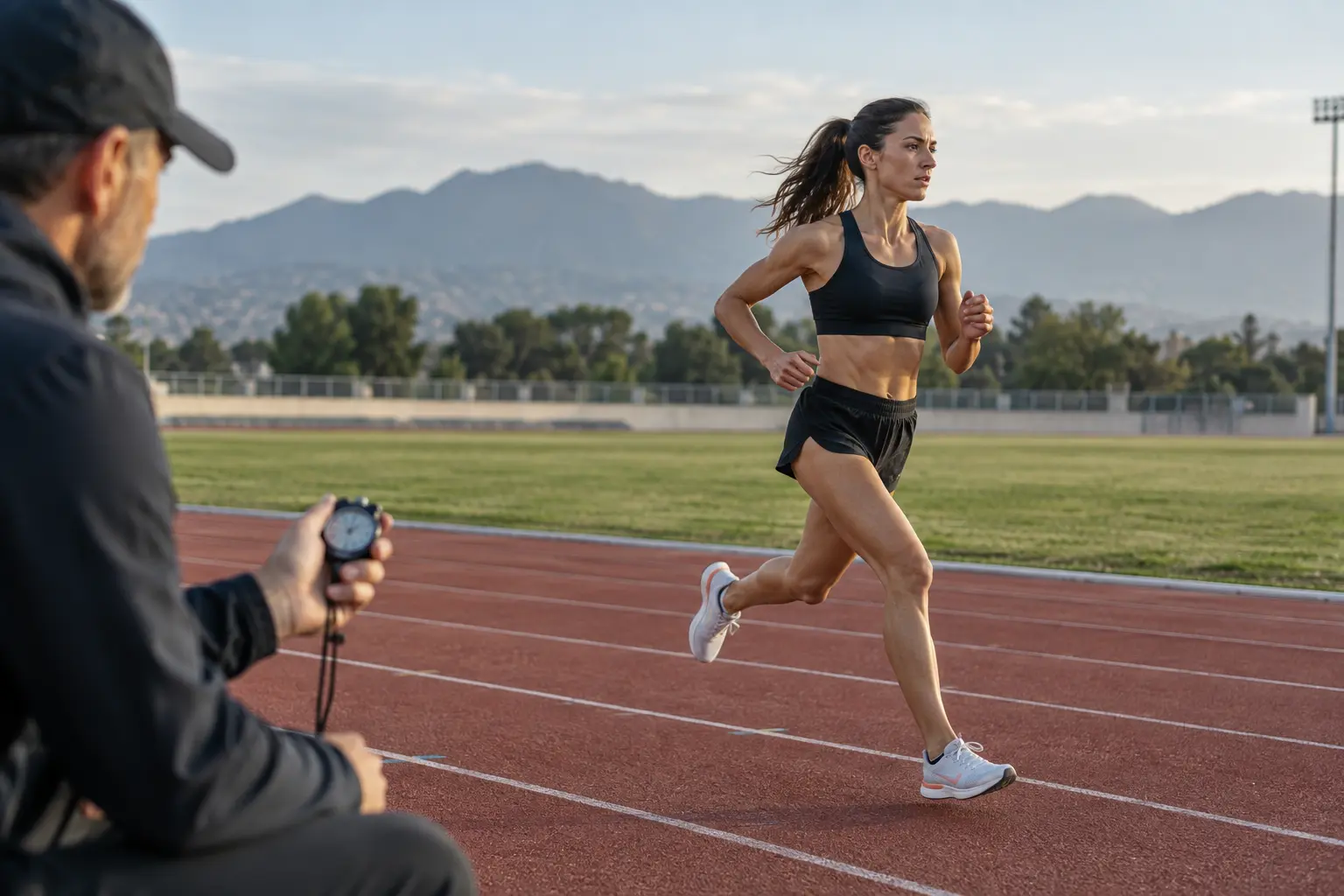
Training · Pace
Running pace: what it is, how to calculate it and how to use it
Plan before the start
Training and strategy on the same path.
Pacia organizes your preparation so every session has context—from the first run to the marathon.
Download on the App Store